How to Shop Smarter: Buy Less, Wear More and Shop With Confidence
How to Shop Smarter: Buy Less, Wear More and Shop With Confidence
Most women do not need more clothes.
What they need is a better way to shop.
If you have ever stood in front of a wardrobe full of clothes and said, “I have nothing to wear,” the problem is probably not that you own too little. It is more likely that you own too many pieces that do not quite work.
They are the “not today” clothes.
You pull them out, look at them, pause for a moment and think, “Not today.” Then back they go. They may not be bad clothes. Some may have been expensive. Some may still have the tags attached. Some may be beautiful in theory. But for one reason or another, they do not feel right when you put them on.
Shopping smart is about changing that.

It is about buying less of what does not work and more of what does. It is about understanding your colours, your shape, your lifestyle, your personal style, your wardrobe gaps and your shopping values before you hand over your card.
It is not about restriction. It is about clarity.
So let’s answer the real shopping questions women ask all the time.
1. How do I stop buying clothes I never wear?
Start by asking why you bought them in the first place.
Most unworn clothes fall into one of these categories. You bought them because they were on sale. You bought them for a fantasy lifestyle. You bought them because someone else liked them. You bought them because you were having a bad day. You bought them because they looked beautiful on the hanger. You bought them because you needed something urgently.
Or perhaps the most dangerous one of all: you bought them because they “would do.”
The colour is not quite right, but this will do.
The fit is not quite right, but this will do.
The fabric is not quite right, but this will do.
I do not really love it, but this will do.
The trouble is, “this will do” rarely does.
It usually becomes another garment hanging silently in the wardrobe, creating guilt instead of confidence.
Before you buy anything, ask yourself: would I want to wear this this week? If the answer is no, pause. If you cannot imagine a real place, a real outfit and a real reason to wear it, it may not deserve a place in your wardrobe.
2. How do I know what I actually need before I go shopping?

Shop from your wardrobe, not from the store.
Before you leave home, look at what you already own. Not in a vague “I probably need tops” kind of way. Be specific.
Ask yourself:
What do I wear all the time?
What is wearing out?
What do I keep reaching for but do not own?
What outfits are nearly complete but missing one piece?
What do I keep buying but not wearing?
What does my current lifestyle actually require?
This is like cooking from a recipe.
I often joke that I am not a natural cook. I cannot just walk into the kitchen, see three ingredients and magically create dinner. I need a recipe. I need to know what I am making and what ingredients I require.
A wardrobe works in a similar way.
Some people can walk into their wardrobe and instantly see twenty outfits. Others only see the five outfits they bought as complete looks. They cannot see the possibilities because they have never been shown the recipe.
Smart shopping gives you the recipe.
You do not go into the store hoping inspiration will strike. You go in knowing what you need: the navy jacket that works with your cream trousers, dark denim and patterned blouse; the comfortable but polished shoe that goes with dresses and smart casual pants; the top in one of your best colours that lifts your existing neutrals.
A clear shopping list creates a clear purchase.
3. How do I avoid buying fantasy clothes?
Be honest about the life you actually live.
Fantasy clothes are the pieces you buy for the imaginary version of your life. The cocktail dress when you rarely go to cocktail events. The resort wear when the closest you get to a resort is the local pool. The power suit when you work from home most days. The “one day” outfit that has no date, no occasion and no real plan.
I once bought a black jumpsuit with red flashing lights in it. Actual flashing lights. It even had a battery pack in the pocket.
At the time, I thought it was fabulous. And emotionally, in that moment, it absolutely was. But where on earth did I think I was going to wear it?
That was fantasy shopping.
It gave me a thrill when I bought it, but it did not give me value. It did not support my lifestyle. It did not become part of a working wardrobe. It simply became a great story about what not to do.
This does not mean you cannot have beautiful, expressive or special pieces. Of course you can. But they need to belong somewhere in your real life.
Before buying, ask:
Where will I wear this?
When will I wear this?
What will I wear it with?
Does it suit my life now?
Am I buying this for reality or fantasy?
Aspirational pieces are fine. A whole wardrobe of aspiration is where the problem begins.
4. How do I know if something is worth buying?
Use the three-outfit test.
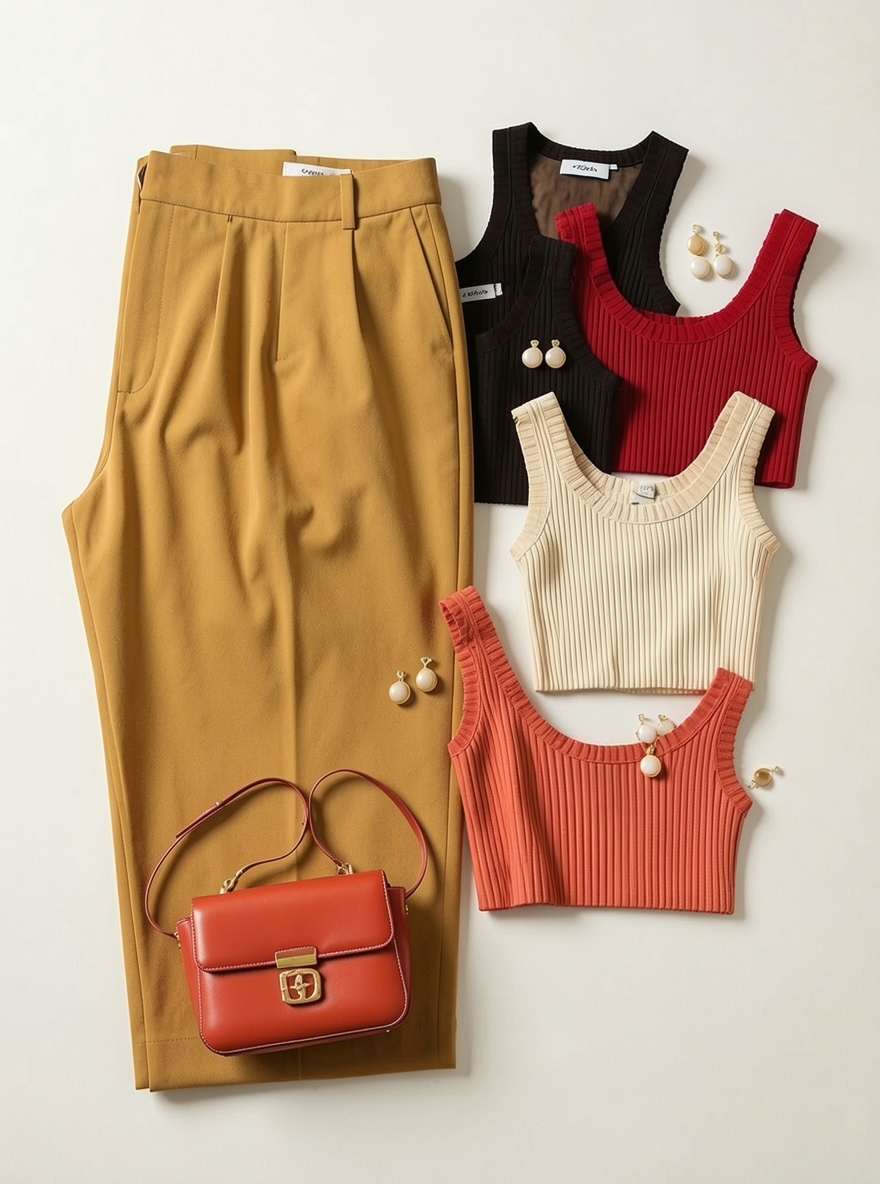
Before you buy a garment, ask yourself if you can create at least three outfits with it using pieces you already own.
For example, a jacket might work with:
A dress for work.
Jeans and a simple top for smart casual.
Trousers and a blouse for a presentation.
If it can move across your life and support multiple outfits, it has potential.
If it only works with imaginary items you do not own, be careful. You may not be buying one garment. You may be buying a whole new set of problems.
This is how wardrobe orphans are born.
A wardrobe orphan is a garment that does not connect with anything else. It may be gorgeous. It may even be perfect in isolation. But if it needs new shoes, a new jacket, new underwear, new accessories and a new lifestyle, it is not a bargain.
It is a project.
And not every project is worth taking on.
5. How do I stop wasting money on sale items?
Ask one brutally simple question:

Would I still want this at full price?
If the answer is no, it is probably the discount you like, not the garment.
Sale shopping can be wonderful when you know what you are looking for. A perfect jacket in your colour, your shape, your fabric and your size at half price? Wonderful.
But a reduced mistake is still a mistake.
A $40 top worn once costs $40 per wear.
A $300 jacket worn 100 times costs $3 per wear.
The cheaper item may actually be the more expensive mistake.
Before buying on sale, ask:
Does it fit me now?
Does the colour suit me?
Does it work with my wardrobe?
Would I have noticed it if it were not reduced?
Can I wear it soon?
Is it genuinely useful?
Do not let the sale sign make the decision for you.
6. How do I know if the colour and fit are right?
The right colour should make you look healthier, clearer and more alive.

It should harmonise with your natural colouring rather than fight against it. It should also work with the other colours in your wardrobe.
When you know your colours, shopping becomes dramatically easier. You can walk into a store and immediately rule out large sections. That is not limiting. It is freeing.
Fit is equally important.
Size is just a number on a label. Fit is how the garment sits, moves and feels on your body.
Different brands cut for different shapes. You might be one size in one store and a completely different size in another. That says nothing about your worth, your beauty or your body. It says everything about manufacturing.
In the fitting room, ask:
Can I sit comfortably?
Can I walk comfortably?
Can I lift my arms?
Does it pull anywhere?
Does it gape?
Does it twist?
Does it cling in the wrong places?
Does the hem stop at a flattering point?
Do I feel confident?
Also check your body language.
Do you stand taller? Do you smile? Do you start imagining places to wear it? Or do you tug, frown and try to convince yourself?
Your body often knows before your mind catches up.
7. How do I shop for my body now, not the body I used to have?
This is one of the most important shopping shifts you can make.
Stop shopping for your old body.
Stop shopping for your future body.
Stop shopping for the body you think you should have.
Shop for the body you are dressing today.
This does not mean giving up on goals. It means respecting the person you are now.
If your body is changing — through pregnancy, weight change, menopause, recovery, ageing or lifestyle shifts — buy thoughtfully for the stage you are in. You may not need a huge wardrobe during transition, but you still deserve clothes that fit, flatter and support you.
Clothes that are too small do not inspire most people. They usually shame them.
Clothes that fit now give you ease, confidence and dignity.
Interestingly, when you dress your current body well, people often think you look better immediately.
After I trained in image consulting and finally understood what suited my colouring, shape and proportions, people started asking me if I had lost weight. I had not. In fact, after finishing flying, I had probably gained weight. What changed was not my body. It was how I dressed it.
That is the power of knowing what suits you.
8. How do I stop copying someone else’s style?
Admire, but do not imitate blindly.
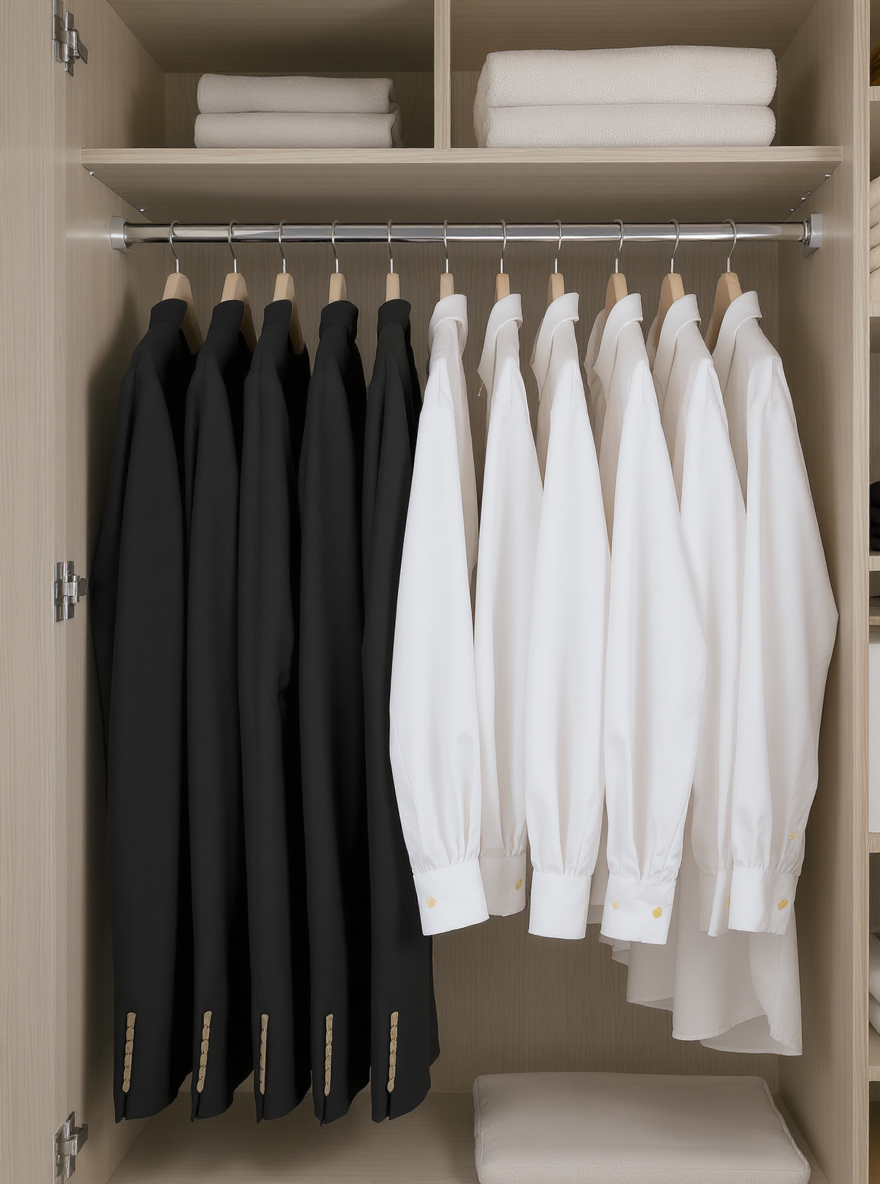
Years ago, I had a girlfriend whose style I loved. She was incredibly stylish, and I often wanted to wear what she wore.
But here is the thing. We may have been the same height, but that was where the similarities ended. I was blonde; she was brunette. I had long hair; she had short hair. I am Caucasian; she is Asian. I had an hourglass figure with a fuller bust; she was more rectangular with a much smaller bust.
Her clothes looked fabulous on her because they suited her.
That did not mean they were right for me.
This is one of the most common shopping mistakes. We see someone looking wonderful and assume the garment is the magic. But the magic is in the relationship between the garment and the person.
Their colouring.
Their body shape.
Their proportions.
Their personality.
Their lifestyle.
Their confidence.
You can be inspired by someone else’s style, but your best wardrobe must be built around you.
9. How do my values affect the way I shop?
You do not shop only for clothes. You shop through your values.
Some people are drawn to beauty. They notice colour, texture, pattern and harmony first.
Some shop for comfort. They touch every fabric and will not tolerate anything scratchy, tight or restrictive.
Some shop economically. They love a bargain, a sale and the feeling of getting value.
Some shop for status. They are drawn to labels, quality, prestige or visible success.
Some shop socially. They want to fit in, belong and dress appropriately for the group.
Some shop creatively. They want the unusual, the expressive and the one-of-a-kind.
Some shop theoretically. They want to know the fibre content, ethics, quality and source.
Some shop for versatility. They want every piece to work hard across multiple outfits.
None of these values are wrong. But every value has a blind spot.
The aesthetic shopper may buy beauty without usefulness.
The economic shopper may buy bargains that become clutter.
The sensory shopper may choose comfort but lose polish.
The status shopper may buy the label instead of the right garment.
The social shopper may dress for others and lose themselves.
The versatile shopper may reject joy because it is not practical enough.
When you understand your top shopping values, you can shop with more awareness.
You do not need to change who you are. You simply need to stop letting one value override all the others.
10. How do I build a wardrobe that actually works?
Think in outfits, not items.
A working wardrobe contains clothes that support your life. They fit your body, suit your colouring, reflect your personality, match your lifestyle and coordinate with each other.
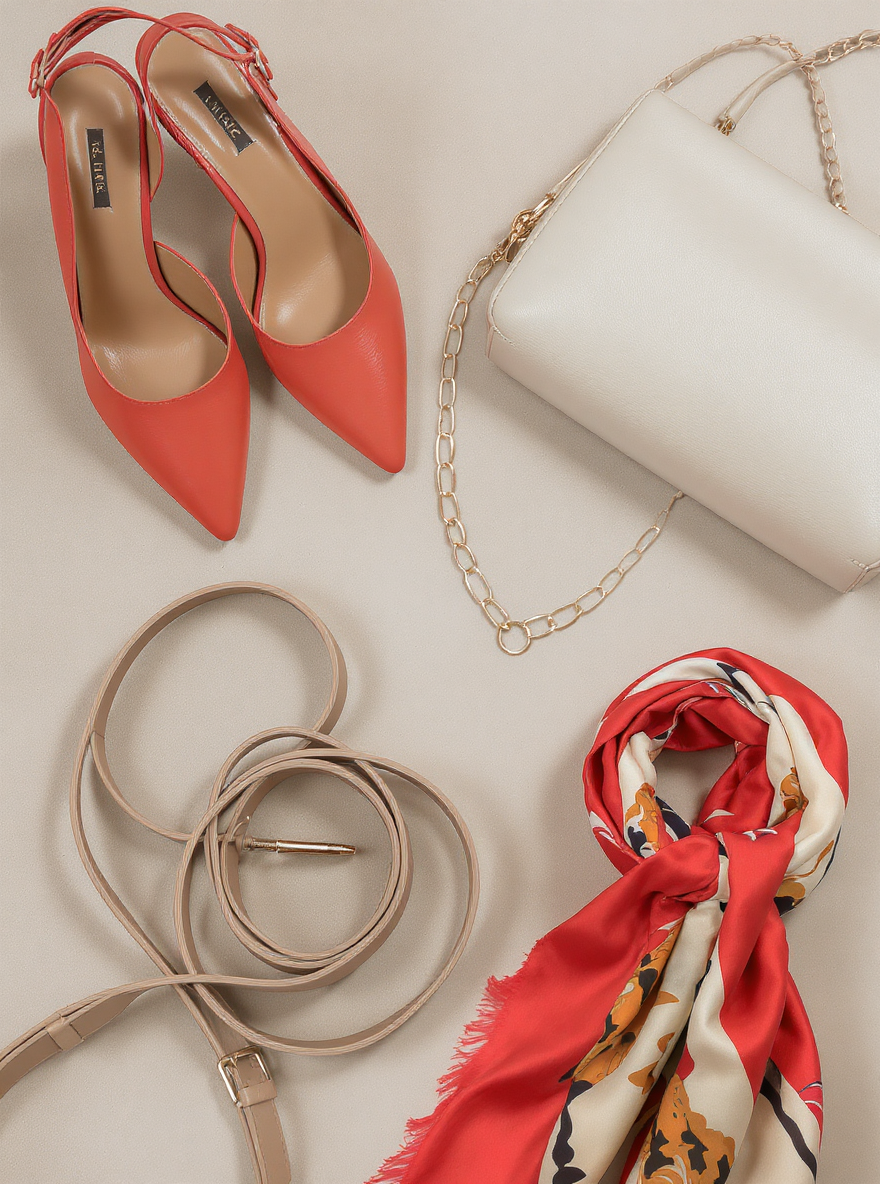
It does not need to be huge.
In fact, many large wardrobes are less useful than smaller ones because they contain too many unrelated pieces.
One of my friends once told me she had around 20 or 30 beautiful Camilla kaftans, but she only wore about five of them.
That is the perfect example of how beauty alone is not enough.
If you own many versions of something but only reach for a few, the question becomes: why are the others still there?
Are they wrong colours?
Wrong shapes?
Wrong lengths?
Wrong lifestyle?
Wrong memories?
Wrong level of comfort?
Or were they simply bought because they were beautiful?
A smart wardrobe is not measured by how much it contains. It is measured by how well it works.
11. How do I shop with more confidence?
Create a clear pre-purchase checklist.
Before buying anything, ask these ten questions:
Does this fit me now?
Does the colour suit me?
Does the shape flatter me?
Does it suit my lifestyle?
Does it feel like my personal style?
Can I create at least three outfits with it?
Do I already own something too similar?
Is it comfortable enough to wear?
Is it worth the cost per wear?
Would I buy it again tomorrow?
These questions create a pause.
And that pause is powerful.
It moves you from emotional reaction to intentional choice.
12. The Real Secret of Shopping Smart

Shopping smart is not about becoming rigid, boring or overly practical.
It is about becoming clear.
Clear about who you are.
Clear about what suits you.
Clear about what your wardrobe needs.
Clear about what your lifestyle requires.
Clear about why you are drawn to certain things.
Clear about what is worth buying and what should be left behind.
When you shop with clarity, you buy less of what disappoints you and more of what supports you.
You stop collecting clothes and start building outfits.
You stop filling your wardrobe with guilt and start filling it with options.
You stop saying, “I have nothing to wear,” and start saying, “I know exactly what works.”
That is the real secret.
Buy less. Wear more. Shop with confidence.
Watch the Webinar
