
“My Wardrobe Is Full but I Have Nothing to Wear”
“My Wardrobe Is Full but I Have Nothing to Wear” — Why It Happens and How to Fix It
If you have ever stood in front of a wardrobe packed with clothes and still thought, “I
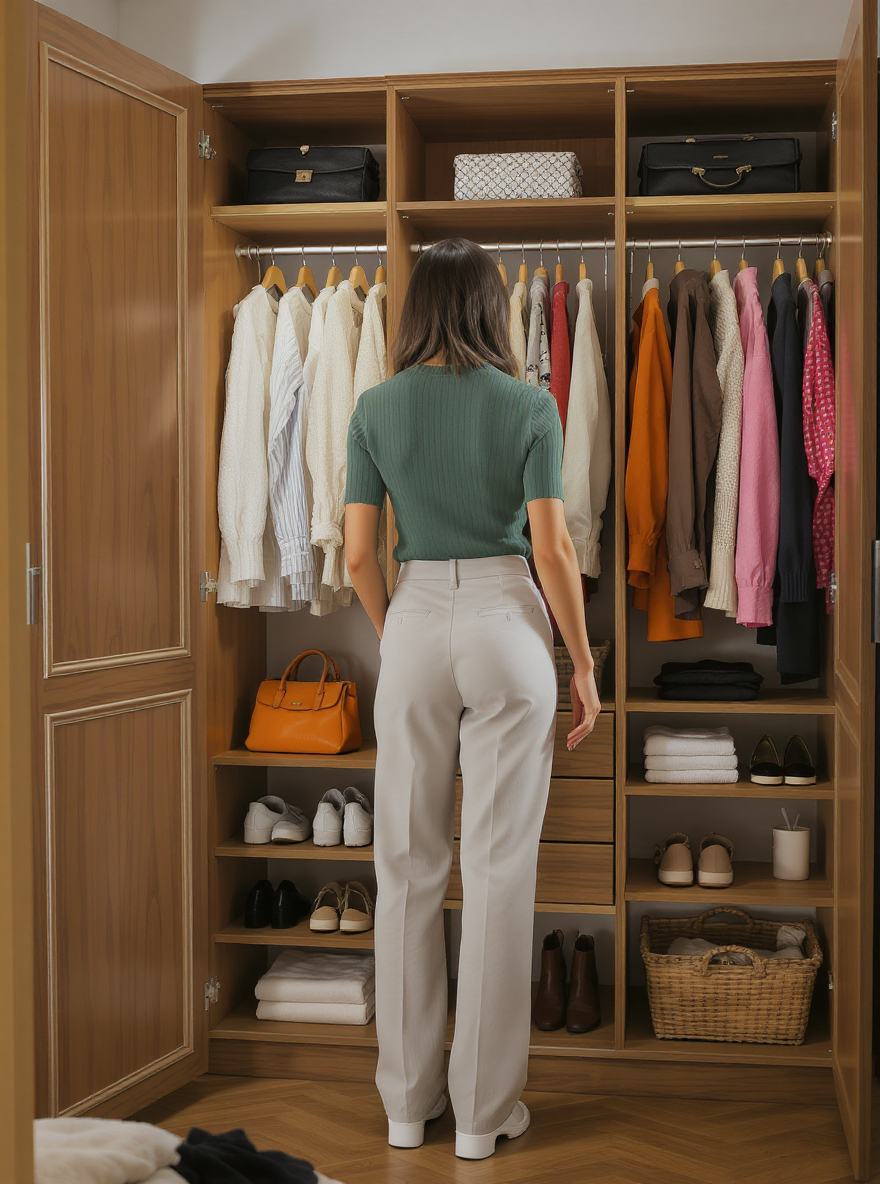
have nothing to wear,” you are not being dramatic.
You are experiencing one of the most common wardrobe problems — and the good news is that it is very fixable.
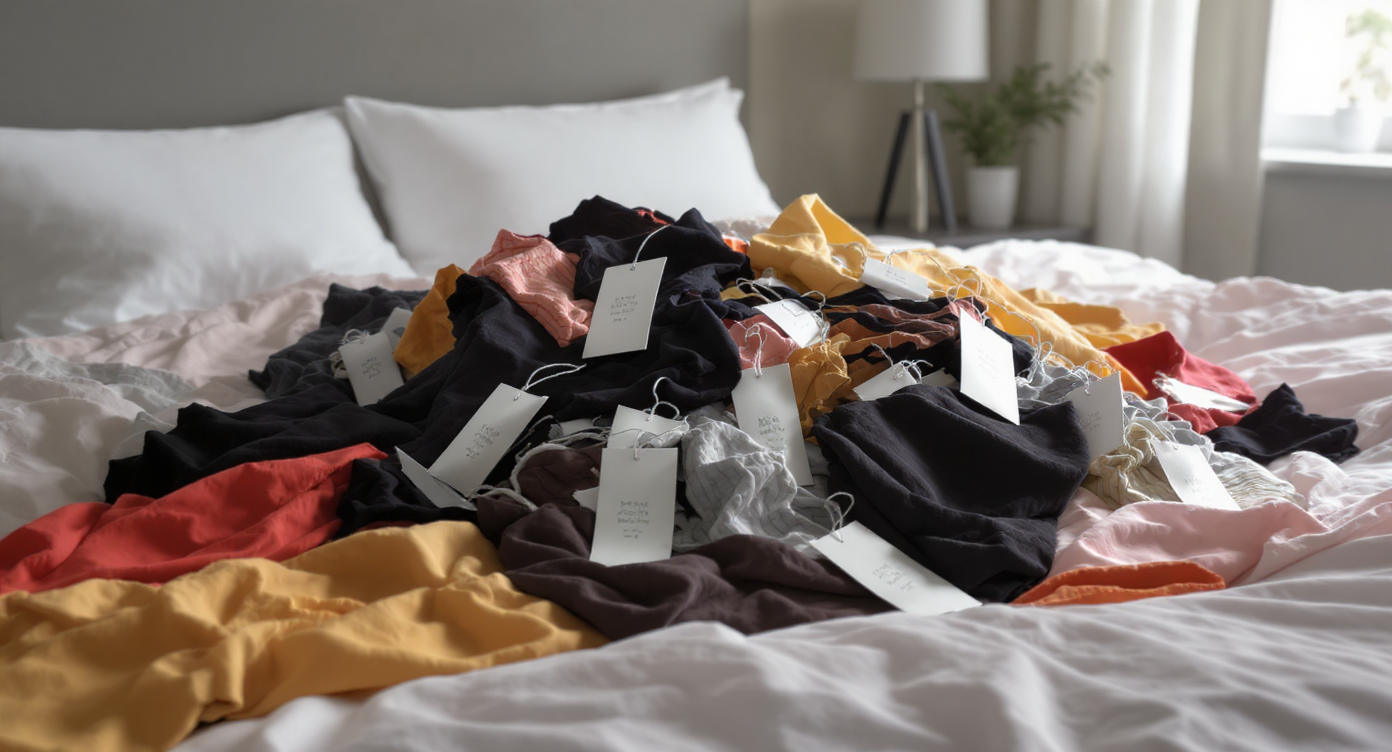
This feeling rarely means you literally have no clothes. In fact, it often happens when you have too many clothes, too many disconnected choices, or too many pieces that no longer match who you are, how you live, or how you want to feel.
When someone says, “I have nothing to wear,” what they often mean is:
Nothing feels like me anymore.
Nothing works for my real life.
Nothing goes together.
Nothing fits comfortably.
Nothing feels current.
Nothing makes me feel confident.
Nothing suits the person I am becoming.
A full wardrobe does not automatically equal a functional wardrobe.
A functional wardrobe is one where your clothes work together, support your lifestyle, suit your body, reflect your personality, and make getting dressed easier rather than harder.
Let’s unpack why the “nothing to wear” feeling happens — and what you can do to fix it without starting from scratch.
Why the “Nothing to Wear” Feeling Happens
Most wardrobe frustration does not come from a lack of clothing. It comes from a lack of clarity.
You may have plenty of items, but not enough complete outfits. You may have clothes you like in theory, but not clothes you actually reach for. You may have pieces that once worked beautifully but no longer suit your lifestyle, body, colouring, career, confidence level or personal style.
This is why buying more clothes is not always the answer.
In many cases, adding more clothes to a confused wardrobe simply creates more confusion.
The real solution is to understand what is not working, why it is not working, and what your wardrobe needs in order to become more wearable.
1. You Own Pieces, Not Outfits
This is one of the biggest reasons people feel they have nothing to wear.
Most people shop item by item. They buy a top because it is pretty. A skirt because it was on sale. A jacket because it looked polished. A dress because it seemed useful. A pair of shoes because they were comfortable. A statement piece because it felt exciting in the moment.
Individually, many of those items may be lovely.
But if they do not connect, they do not create outfits.
A wearable wardrobe is built like a team. The pieces need to work together. Tops need to pair with bottoms. Jackets need to layer over multiple outfits. Shoes need to suit both your lifestyle and your clothing. Colours need to harmonise. Accessories need to support the overall look.
When a wardrobe is made up of isolated pieces, getting dressed becomes a daily puzzle.
You may own twenty tops, but if only two of them work with the trousers you actually wear, your options are far more limited than your wardrobe suggests.
Quick Check
Choose one top from your wardrobe and ask:
How many bottoms can I wear this with easily?
How many jackets or layers work over it?
Which shoes complete the outfit?
Do I have the right undergarments or accessories for it?
Can I wear it in more than one setting?
If the answer is “maybe one” or “I’m not sure,” the issue is not that you need more clothes. The issue is that you need better outfit coordination.
How to Fix It
Start building outfits, not just collecting garments.
Take photos of complete outfit combinations you already own. Create 10 reliable outfits before buying anything new. This helps you see what works and where the real gaps are.
A good wardrobe is not measured by the number of items in it. It is measured by how many wearable combinations it gives you.
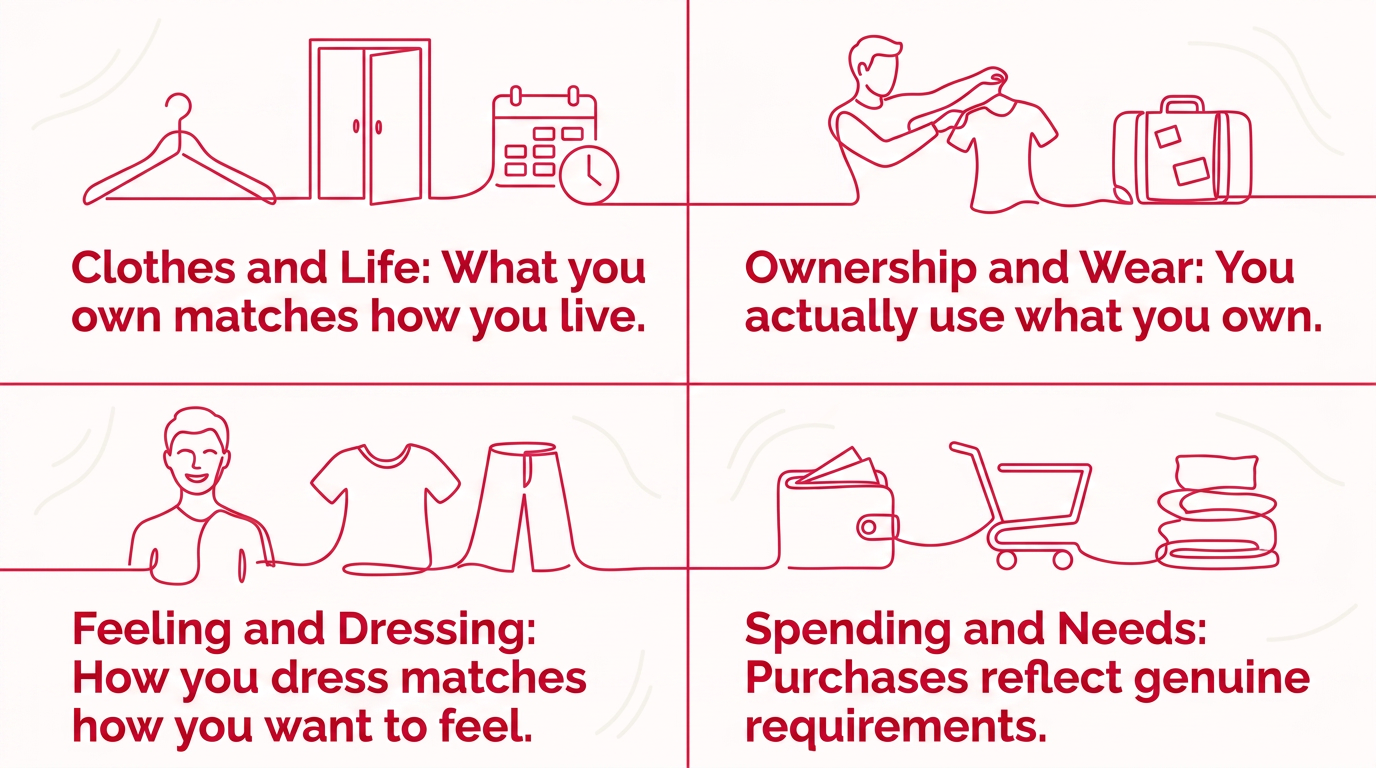
2. Your Lifestyle Changed but Your Wardrobe Did Not
A wardrobe can be beautiful and still be wrong for your current life.
This happens all the time.
Maybe you used to work in an office five days a week, but now you work from home. Maybe you moved into a leadership role and need to look more polished. Maybe you became a parent and need comfort, practicality and easy-care fabrics. Maybe your social life changed. Maybe you travel more. Maybe your body, health, routine or confidence has shifted.
Your wardrobe may be perfectly suited to a version of your life that no longer exists.
That is when you open the doors and feel stuck.
Not because the clothes are bad, but because they do not match your actual week.
Common Lifestyle Changes That Affect Wardrobe Needs
Working from home more often
Changing jobs or industries
Moving into leadership
Returning to work after a break
Becoming a parent
Experiencing body changes
Changing climate or location
Travelling more or less
Going out less frequently
Needing more comfort or movement
Starting a new business
Becoming more visible professionally
If your wardrobe is built for the old version of your life, you will constantly feel like something is missing.
How to Fix It
Do a real-life wardrobe audit.
Write down what you actually do in a normal week. Not the fantasy version. The real one.
For example:
3 days working from home
2 days client-facing or office-based
1 casual family day
1 social event or dinner
Exercise or walking 3 times per week
Occasional online meetings
Then ask:
Do I have enough outfits for the way I actually live?
Which category is hardest to dress for?
Where am I overstocked?
Where am I underprepared?
Many people discover they have too many clothes for rare occasions and not enough for their real daily life.
That is why the wardrobe feels full but not useful.
3. Fit Is Quietly Sabotaging You
Fit is one of the most powerful reasons people avoid clothes.
When something does not fit well, you stop reaching for it. Not because you are fussy, but because your body knows.
You may not consciously think, “This jacket pulls across my shoulders,” or “These trousers sit awkwardly at the waist,” but you will feel it. You will tug, adjust, hesitate, change outfits, or decide you suddenly have nothing to wear.
Fit issues can create a lot of wardrobe guilt because the item may be beautiful, expensive or barely worn. But if it does not feel good on your body, it will not earn its place in your working wardrobe.
Signs Fit Is the Problem
You constantly tug or adjust the garment.
The fabric pulls, twists or clings.
The waistband digs in or slides down.
The shoulders sit in the wrong place.
The hemline cuts you off awkwardly.
The sleeves feel too tight or too long.
The neckline feels uncomfortable.
You like the item standing still but not when you move.
You only wear it on “perfect body” days.
Fit is not about your body being wrong. It is about the garment not supporting your body properly.
A skilled personal stylist or image consultant understands this distinction. The goal is not to force your body into clothes. The goal is to choose clothes that work with your body, proportions, comfort and movement.
How to Fix It
Create three categories:
1. Fits well and feels good
2. Could work with tailoring or styling
3. Does not serve me anymore
Be honest but kind.
Some garments may only need a small alteration: shortening a hem, adjusting a sleeve, taking in a waist, replacing buttons or changing the rise or length.
Other pieces may need to be released.
A wardrobe becomes more useful when the clothes inside it are clothes you can actually wear today, not clothes you hope might work one day.
4. You Are Missing Connectors
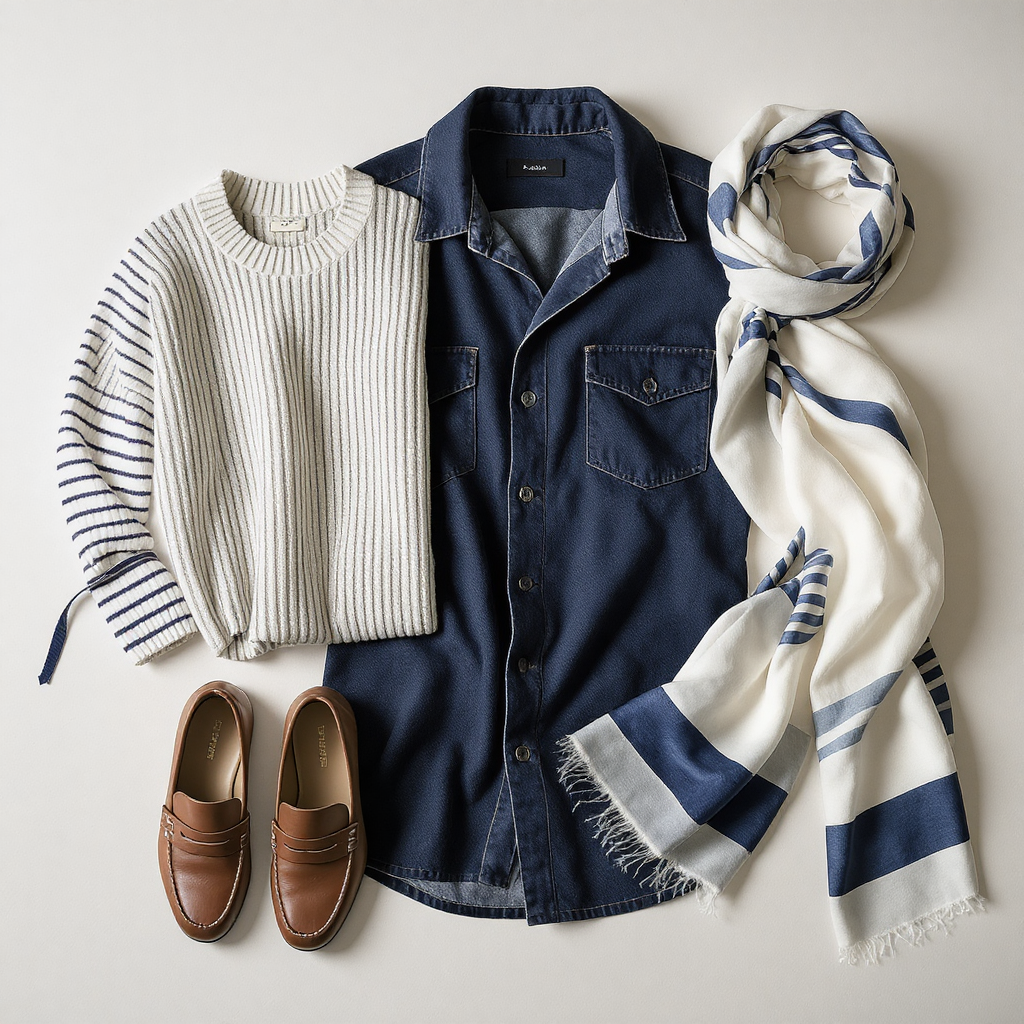
Connectors are the invisible wardrobe heroes.
They are the pieces that make outfits happen.
People often buy statement items because they are exciting: the printed dress, the bold blouse, the unusual jacket, the special skirt. But without connectors, those statement pieces sit unworn.
Connectors are the simple, versatile, practical pieces that link everything together.
They may not feel thrilling on the hanger, but they make your wardrobe function.
Examples of Wardrobe Connectors
A blazer
A denim jacket
A cardigan
A simple knit
A layering tank
A fitted tee
A neutral trouser
A wearable skirt
An everyday shoe
A belt
A bag that suits your lifestyle
A coat that works over most outfits
A simple necklace or earring
A scarf that pulls colours together
If you have ever thought, “I like this top, but I don’t know what to wear it with,” you may be missing connectors.
If you own dresses but never have the right jacket, you are missing a connector.
If your outfits fall apart at the shoe stage, you are missing a connector.
If everything looks unfinished, you may need third pieces, accessories, or better colour links.
How to Fix It
Before buying another statement piece, identify the connectors your wardrobe needs.
Ask:
What item would make three or more outfits work?
What shoe would complete most of my daily looks?
What jacket could I wear over dresses, trousers and jeans?
What neutral or colour would connect my wardrobe together?
What accessory would make my outfits feel intentional?
Connectors multiply your outfit options.
Sometimes one great jacket, shoe or layering piece can unlock more outfits than five new statement purchases.
5. Your Colours Do Not Work Together
Colour is one of the most overlooked reasons wardrobes feel difficult.
You might have a wardrobe full of individual colours you like, but if they do not harmonise with each other — or with you — creating outfits becomes harder.
Colour affects how clothes combine, how polished an outfit feels, how easily you can mix and match, and how confident you feel wearing something.
When a wardrobe has no colour direction, it often becomes fragmented.
You may own black trousers, navy tops, warm beige jackets, cool grey knits, bright prints, muted florals, white shoes, tan bags and colourful accessories — but nothing feels cohesive.
That does not mean you need a boring wardrobe. It means your wardrobe needs a colour strategy.
Signs Colour Is Creating Wardrobe Confusion
You have lots of colours but few combinations.
Your neutrals do not work together.
You buy colourful pieces but rarely wear them.
You rely on black because it feels easiest.
You love prints but cannot match them.
You feel washed out in some colours.
Your wardrobe looks chaotic when grouped together.
How to Fix It
Start by identifying your core wardrobe colours.
These usually include:
Base neutrals: navy, charcoal, black, brown, beige, ivory, grey
Accent colours: colours that bring energy and personality
Light colours: whites, creams, pastels or soft tones
Depth colours: deeper shades that add contrast and strength
Then ask:
Which colours do I wear most often?
Which colours make me feel most confident?
Which colours receive compliments?
Which colours sit unworn?
Which colours do I keep buying but not wearing?
This is where colour analysis can be incredibly helpful.
Professional colour analysis gives you a framework for understanding which colours harmonise with your natural colouring, and how to use them in clothing, makeup, accessories and wardrobe planning.
For personal stylists and image consultants, colour analysis is one of the most practical and confidence-building skills to learn because it helps clients make better choices long after the consultation is over.
6. Your Wardrobe Does Not Match Your Style Identity
This is one of the sneakiest reasons people feel they have nothing to wear.
You can own plenty of “nice” clothes and still feel disconnected from them.
Maybe your wardrobe is more corporate than you are. Maybe it is too casual for the direction you are moving in. Maybe it is too trendy when you prefer classic pieces. Maybe it is too minimal when you are creative. Maybe it is too structured when you prefer softness and movement.
When your wardrobe does not reflect your style identity, you may technically have clothes to wear, but they do not feel like you.
That is why you keep returning to the same few safe outfits.
Style Identity Is About More Than Fashion
Your style identity includes:
Your personality
Your lifestyle
Your values
Your comfort needs
Your professional goals
Your preferred level of visibility
Your body confidence
Your creativity
Your cultural influences
Your stage of life
How you want to be perceived
A wardrobe that ignores these factors may look fine but feel wrong.
This is also where the difference between fashion styling and personal styling becomes important.
Fashion can inspire you, but personal style must belong to you.
How to Fix It
Ask yourself:
What three words do I want my style to communicate?
What outfits make me feel most like myself?
What do I keep buying because I think I “should”?
What feels too much?
What feels too plain?
What feels outdated for who I am now?
What version of me am I dressing for?
You may find that your wardrobe needs editing, not replacing.
Sometimes the clothes are there, but they need to be combined differently. Sometimes your style identity has evolved and your wardrobe needs permission to evolve with it.
7. You Are Shopping Without a Wardrobe Plan
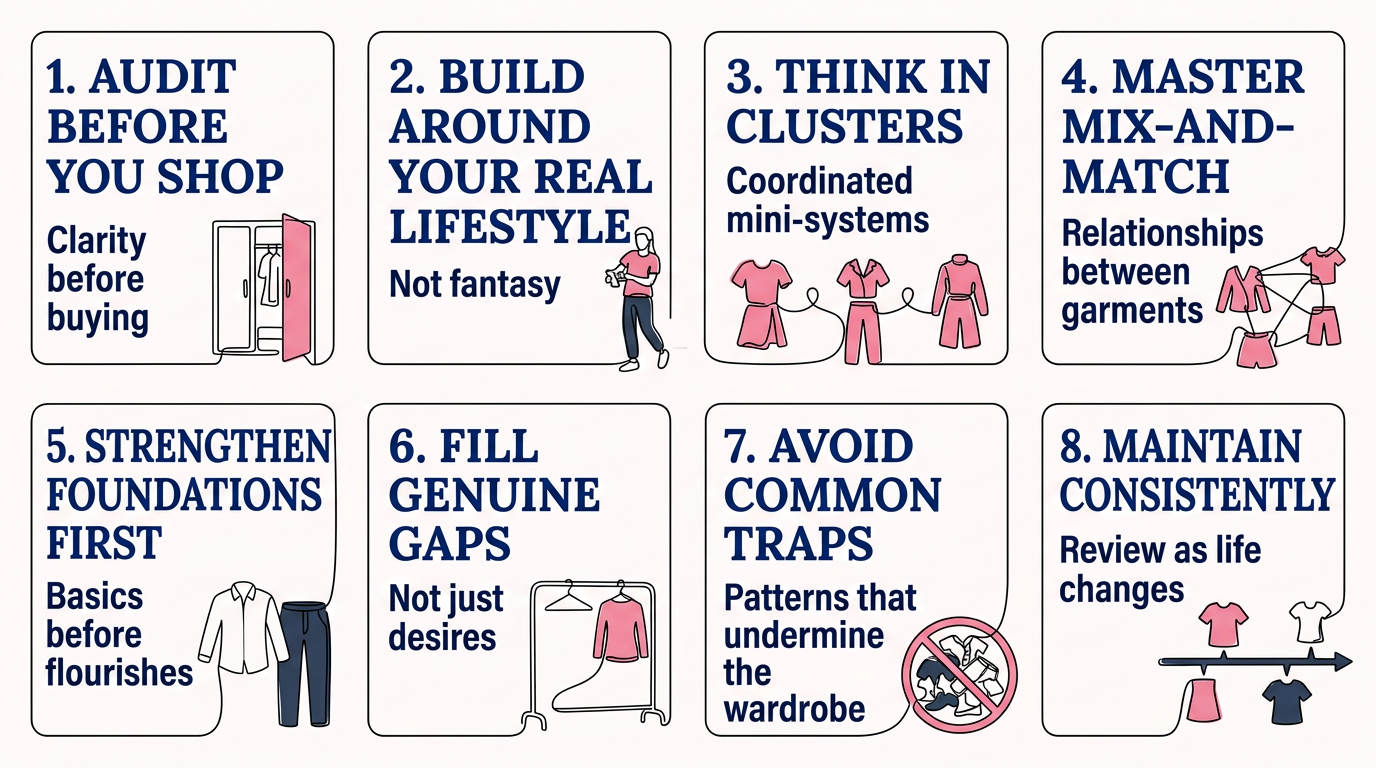
Impulse shopping is one of the fastest ways to create a full wardrobe with nothing to wear.
This does not mean you should never buy something spontaneous or joyful. But if most purchases happen without a plan, your wardrobe can quickly become unbalanced.
You may end up with:
Too many tops and not enough bottoms
Too many occasion pieces and not enough everyday outfits
Too many prints and not enough solids
Too many shoes that only work with one outfit
Too many duplicates of the same item
Too many pieces for fantasy lifestyles
A wardrobe plan helps you buy intentionally.
It does not remove creativity. It creates freedom because you know what you actually need.
How to Fix It
Before shopping, create a simple wardrobe gap list.
Divide it into:
Need now
Would be useful
Nice to have
Do not buy
The “Do not buy” list is especially powerful.
For example:
Do not buy more black tops.
Do not buy heels I cannot walk in.
Do not buy dresses that require special underwear.
Do not buy jackets that only work open.
Do not buy colours that do not go with my wardrobe.
This helps you stop repeating the same buying mistakes.
The 30-Minute Wardrobe Fix That Makes a Real Difference
You do not need a full wardrobe overhaul to feel better.
Start with a focused 30-minute reset.
The goal is not to solve everything. The goal is to create clarity.
Step 1: Do a Real-Life Wardrobe Count
Write down the categories you actually need for your week.
For example:
Casual day-to-day
Work or meetings
Online calls
Exercise or activewear
Social events
Family commitments
Travel
Special occasions
Outerwear
Shoes
Accessories
Then ask:
Which category is hardest to dress for?
Which category has too many clothes?
Which category has too few options?
Where do I feel most confident?
Where do I feel most stuck?
Fix the hardest category first.
Do not try to solve your entire wardrobe at once.
If work outfits are your biggest frustration, start there. If casual outfits are the problem, start there. If events make you panic, start there.
A specific problem is easier to solve than a vague wardrobe crisis.
Step 2: Choose Three Outfit Formulas
Outfit formulas remove decision fatigue.
They are repeatable templates that make getting dressed easier.
Examples:
Jeans + knit + jacket + sneakers
Trousers + tee + blazer + loafers
Midi dress + denim jacket + flats
Skirt + fitted top + cardigan + boots
Wide-leg pants + blouse + belt + flats
Dress + longline jacket + ankle boots
Monochrome base + statement accessory
The best outfit formulas suit your body, lifestyle and style personality.
Once you know your formulas, you can shop and style with more intention.
For example, if your best formula is:
Wide-leg trousers + soft blouse + jacket + pointed flatYou now know what pieces to prioritise.
You are not randomly buying. You are building a wearable system.
Step 3: Use the 3-Way Rule for Every New Purchase
Before buying anything new, ask:
Can I wear this with at least three things I already own?If the answer is no, pause.
It may still be worth buying, but you need to understand what else it requires.
A piece that needs new shoes, a new jacket, new underwear, a new bag and a new occasion may not be a smart purchase. It may become another lonely item.
The 3-way rule helps you build a wardrobe that expands instead of complicates.
Step 4: Fix the Top Five Avoid Pieces
Choose five items you rarely wear but cannot quite let go of.
For each one, identify the real reason:
Is it the fit?
Is it the colour?
Is it the fabric?
Is it the neckline?
Is it the length?
Is it too formal?
Is it too casual?
Is it too hard to style?
Does it belong to an old version of me?
Do I need a connector to make it work?
This exercise reveals patterns.
You may discover you keep buying the wrong neckline, the wrong trouser shape, the wrong colour, or clothes for a lifestyle you do not actually live.
That information is valuable.
It gives you a better shopping strategy.
Step 5: Add Connectors Before Statement Pieces
If your wardrobe feels disconnected, your next best purchase is often not the most exciting item.
It may be:
A great everyday shoe
A versatile jacket
A layering top
A belt
A practical bag
A neutral trouser
A simple knit
A colour that connects several prints
Connectors are what turn clothes into outfits.
They are the difference between “I have lots of pieces” and “I can get dressed easily.”
When It Is Time to Get Professional Help
Sometimes you can make progress on your own. Other times, you keep buying, editing and rearranging but still feel stuck.
That usually means you do not need more clothes. You need a clearer method.
Professional personal styling or image consulting can help you understand:
Your best colours
Your style direction
Your body shape and proportions
Your wardrobe gaps
Your outfit formulas
Your shopping priorities
Your client-facing or lifestyle needs
Your personal image goals
This is why clients often feel immediate relief after working with a trained stylist or image consultant. They are no longer guessing.
They understand why certain pieces work, why others do not, and how to make better decisions going forward.
For Aspiring Personal Stylists and Image Consultants
If you are reading this because you want to become a personal stylist, image consultant or colour consultant, this wardrobe problem is one of the most important client challenges to understand.
Many clients do not simply need “fashion advice.”
They need help translating who they are into what they wear.
They need support with confidence, decision-making, fit, colour, wardrobe planning and personal presentation.
A client who says, “I have nothing to wear,” may actually be saying:
I do not know what suits me anymore.
I feel overwhelmed by choices.
My body or lifestyle has changed.
I do not know how to shop wisely.
I want to feel more confident.
I want my outer image to match who I am now.
This is where professional training matters.
A strong personal stylist course or image consultant training pathway should help you learn not only what looks good, but why it works, how to explain it, and how to guide each client with care.
At Image Innovators, this is central to the work. Personal styling, colour analysis and image consulting are practical skills, but they are also deeply personal. The goal is not to make every client look the same. The goal is to help each client feel more confident, authentic and aligned.
A Simple Wardrobe Reflection Exercise
Before you buy anything new, answer these questions:
What do I want my wardrobe to do for me this year?
Where am I currently wasting time getting dressed?
Which clothes make me feel most confident?
Which clothes make me feel like I am trying too hard?
Which clothes belong to an old version of my life?
Which outfits do I repeat because they work?
What is missing from those successful outfits?
What do I want people to understand about me before I speak?
Your answers will tell you more than a shopping trip will.
A better wardrobe begins with better questions.
Final Thoughts
The “I have nothing to wear” feeling is not a sign that you need to start again.
It is a sign that your wardrobe needs clarity.
You may need better outfit combinations, more lifestyle alignment, improved fit, stronger colour direction, clearer style identity, or a few strategic connectors.
When your wardrobe supports your real life and reflects who you are now, getting dressed becomes easier, calmer and more enjoyable.
And if you are an aspiring stylist or image consultant, learning how to solve this problem for clients is one of the most valuable skills you can develop.
Because a wardrobe is never just a collection of clothes.
It is a daily tool for confidence, self-expression and personal presentation.
